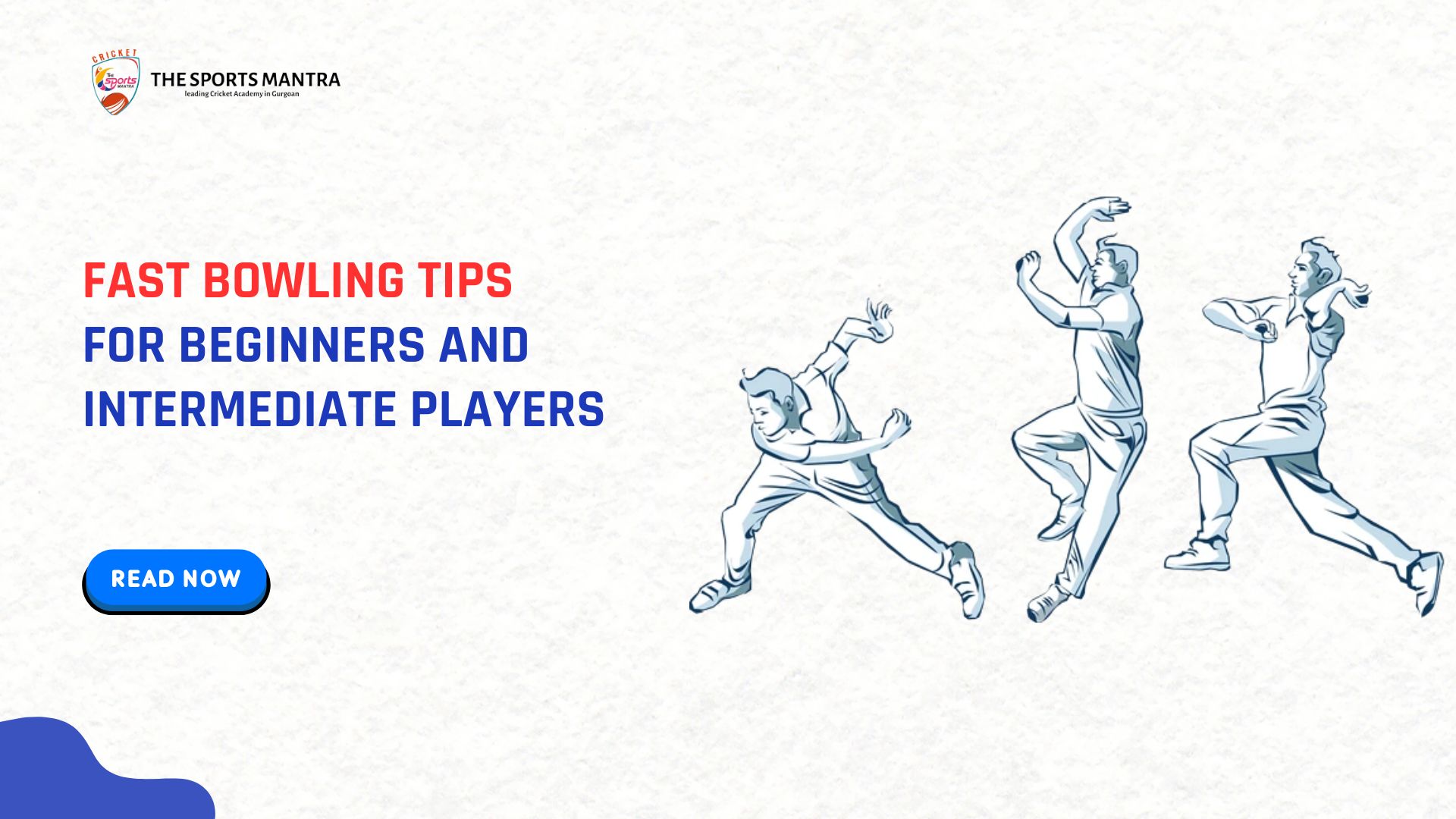
Fast Bowling Tips for Beginners and Intermediate Players

Fast bowling is pure adrenaline. The long run-up, the explosive jump, the thump of the ball hitting the pitch—it’s cricket’s version of controlled chaos. For beginners, fast bowling can feel overwhelming. For intermediate players, it often feels frustrating because pace alone stops working. This guide bridges that gap.
Whether you’re just learning how to hold the ball or already touching decent speeds but lacking consistency, these fast bowling tips will help you bowl faster, smarter, and safer.
Understanding the Basics of Fast Bowling
What Is Fast Bowling in Cricket
Fast bowling is all about speed, bounce, and movement. Unlike spin bowling, fast bowlers rely on momentum, body mechanics, and precision to trouble batsmen. The goal isn’t just raw pace—it’s controlled aggression.
Why Fast Bowling Is a Game-Changer
A good fast bowler can change a match in a single spell. Early breakthroughs, pressure-building overs, and intimidating short balls can dismantle even the strongest batting line-up.
Think of fast bowlers as the spearhead of an attack—they strike first and strike hard.
Essential Physical Requirements
Fitness and Strength
Fast bowling is demanding. Without fitness, pace disappears and injuries creep in. Strength training doesn’t mean bulky muscles—it means functional strength.
Core Strength Importance
Your core is the engine of your bowling action. A strong core improves balance, speed, and control while protecting your lower back.
Flexibility and Mobility
Tight muscles limit speed and increase injury risk. Stretching hips, hamstrings, shoulders, and ankles should be non-negotiable.
Flexibility is like oil in an engine—it keeps everything running smoothly.
Fast Bowling Grip Techniques
Correct Seam Grip
Hold the ball with your index and middle fingers on either side of the seam. The thumb rests lightly underneath. The grip should be firm but relaxed.
Tension kills swing and pace.
Common Grip Mistakes to Avoid
- Gripping the ball too tightly
- Fingers too far apart
- Thumb pressing hard
A bad grip is like holding a pen incorrectly—no matter how hard you try, the result won’t improve.
Run-Up Fundamentals
Ideal Run-Up Length
Your run-up should feel natural. Too short and you lose momentum. Too long and you lose control. Most fast bowlers settle between 12–18 steps.
Building Rhythm and Momentum
Speed comes from rhythm, not rushing. Your run-up should flow like music—smooth, balanced, and repeatable.
Bowling Action Explained
Side-On vs Front-On Action
- Side-On: Better for swing, requires flexibility
- Front-On: Easier for beginners, less stress on the back
Choosing the Right Action for Your Body
There’s no “perfect” action. The best action is one that suits your body and keeps you injury-free.
Perfecting the Delivery Stride
Front Foot Landing
Your front foot should land straight and firm. A collapsing front leg wastes energy and reduces pace.
Balance at the Crease
If you fall sideways after delivery, something’s wrong. Balance equals control. Control equals wickets.
Generating Pace Without Injury
Use of Shoulder and Hip Rotation
Pace comes from rotation, not just arm speed. Your hips lead, shoulders follow, and the arm whips through.
Wrist Position and Snap
A strong wrist snap adds that extra zip. It’s the difference between a fast ball and a genuinely threatening one.
Line and Length Mastery
What Is Good Line and Length
For fast bowlers, a good length is one that makes the batsman unsure—should I go forward or back?
Drills to Improve Accuracy
- Bowl at a mat target
- One-stump bowling
- Corridor-of-uncertainty drills
Accuracy turns pace into danger.
Swing and Seam Bowling Basics
Outswing and Inswing Techniques
Swing depends on seam position, wrist alignment, and shine on the ball. Small details make a massive difference.
Seam Position for Movement
Keep the seam upright and pointed toward first or second slip depending on the type of swing.
Variations Every Fast Bowler Should Learn
Slower Ball
The most underrated weapon. Same action, reduced pace.
Bouncer and Yorker
- Bouncer: Pushes batsmen back
- Yorker: Attacks the toes
When to Use Each Variation
Variations work best when batsmen expect pace. Timing matters more than surprise.
Mental Strength for Fast Bowlers
Dealing with Pressure
You will get hit. Every fast bowler does. The key is bouncing back the next ball.
Building a Bowler’s Mindset
Confidence isn’t loud. It’s quiet belief. Trust your preparation and your process.
Common Fast Bowling Mistakes
Over-Bowling
More overs don’t mean better results. Quality beats quantity every time.
Ignoring Recovery
Skipping recovery is like driving without brakes—it works until it doesn’t.
Injury Prevention and Recovery
Warm-Up and Cool-Down Routines
Never bowl cold. Dynamic warm-ups before and stretching after are essential.
Listening to Your Body
Pain is feedback, not weakness. Rest when needed.
Training Tips for Beginners
Weekly Practice Routine
- 2 bowling sessions
- 2 fitness sessions
- 1 recovery day
Focus Areas for New Bowlers
- Action consistency
- Line and length
- Basic fitness
Advanced Tips for Intermediate Players
Bowling to Field Settings
Set traps. Bowl to your field, not randomly.
Reading the Batsman
Watch footwork, grip changes, and movement. Cricket is a chess match played at 140 km/h.
Conclusion
Fast bowling is a journey, not a shortcut. Beginners should focus on fundamentals, while intermediate players must refine skills and think tactically. Pace is exciting, but control, fitness, and mindset separate good bowlers from match-winners.
Train smart, stay patient, and respect your body. Wickets will follow.
FAQs
- How can beginners increase fast bowling speed safely?
Focus on technique, fitness, and rhythm rather than forcing pace. - How many overs should a fast bowler bowl in practice?
Quality overs matter more than quantity. Start with short spells. - Is gym training necessary for fast bowlers?
Yes, functional strength training greatly helps performance and injury prevention. - How long does it take to become a good fast bowler?
With consistent training, noticeable improvement can be seen in 6–12 months. - What is the best age to start fast bowling?
Proper coaching can begin as early as 10–12 years, with workload managed carefully.